Lions of West Africa Ecology of lion (Panthera leo Linnaeus 1758) populations and human-lion conflicts in Pendjari Biosphere Reserve, North Benin

PhD Dissertation: 

Etotépé A. SOGBOHOSSOU (2011). Lions of West Africa Ecology of lion (Panthera leo Linnaeus 1758) populations and human-lion conflicts in Pendjari Biosphere Reserve, North Benin. University of Leiden, The Netherlands. 158 p.

Promotors: Geert R. de SNOO & Brice SINSIN

Co-Promotor: Hans H. de IONGH.


Abstract: Earth’s biodiversity is disappearing at an alarming rate in the last decades. Many species, including carnivores, are becoming endangered. The lion was one of the most widely distributed terrestrial mammals and is today restricted to Gir ecosystem in India and to more or less fragmented populations in sub-saharan Africa. The species is considered as Vulnerable on IUCN Red List. In West Africa, due to its small and fragmented populations, the species is listed as Regionally Endangered. While the species is widely studied in other parts of Africa, it is poorly known in West Africa. The threats to lions, their ecology and their behaviour have not been assessed in the context of this region. In order to fill this gap, this research aims at investigating the ecology of the lion population and conflicts with humans in a West African protected area: Pendjari Biosphere Reserve, Benin. Pendjari Biosphere Reserve is one of the best-managed protected areas in West Africa and is part of the two most promising Lion Conservation Units in the region. It covers about 5,000 km² and is composed of the Pendjari National Park, and the Pendjari and Konkombri hunting zones.

Local populations surrounding the Pendjari Biosphere Reserve suffer from livestock depredation mainly by hyena (53.6% of attacks), baboon (24.8% of attacks) and lion (18% of attacks). Most attacks occur during the rainy season when wild prey are scattered and more difficult to hunt. The depredation level is relatively low compared to many other regions in Africa. However the losses are significant, as local populations live below the poverty line. Fortunately, despite these losses and the fear of carnivores, people tolerated conflicts. No retaliatory killing of predators was reported. This could be partly attributed to the social and cultural importance of carnivores. The low level of conflicts in Pendjari is confirmed by the absence of livestock in the diet of lions. In the relatively well protected Sudanian savannah area that Pendjari represents, buffalo is the most consumed species (50% of the prey biomass consumed). However, like in other areas of West and Central Africa, the lion diet is dominated by medium prey (61.7%) while large prey composed 38.2% of the diet. Similarly to what is observed across Africa, smaller prey such as oribi and duiker were avoided and relatively large prey such as waterbuck and hartebeest were preferred. The predominance of small prey in the diet is then due to the relative abundance of these prey and not to the small size of lion groups in the region. There are about 1.6 lions/100 km² in the Pendjari Biosphere Reserve. The mean lion group size is of 2.6 lions with a significantly higher group size in the park compared to that in hunting zones. The adult sex ratio of 1 male : 1.04 female is skewed towards males. The small group size could be linked to the low prey and lion densities in the area. The lion population is particularly vulnerable to trophy hunting both in hunting zones of Pendjari and hunting zones of Burkina Faso, as the park’s lion population plays the role of source population while the hunting zone lions represent the sink populations. The mean home range of lionesses (95% MCP: 200 ± 141 km²) is consistent with findings across Africa. Riparian forests, woodlands and dry forests were the preferred lion habitats during the dry season while grasslands and swamps were used according to their availability. The few available results showed that during the rainy season, when most of the reserve is flooded, lions preferred woodlands on hills and avoid grasslands and swamps. The study of the home range and the social structure of lions in Pendjari highlighted the need for a concerted management of Benin and Burkina Faso lion populations for better efficiency. In summary, when protected areas are safe enough, lion population ecology and behaviour are similar across Africa. The Pendjari lion population was increasing and did not represent a great threat to livestock and humans surrounding the reserve. The lion population remained vulnerable, however, mainly because of legal and illegal hunting and human encroachment from neighbouring reserves. The impact of hunting and human activities on the social structure need to be better investigated. To save the lion in the region of West Africa, efforts should be made to safeguard only protected areas but also their surrounding areas. Studies on other issues such as the impact of lion trophy hunting and the relationship between the different large predators will contribute to improve the status of lions and other predators in West Africa.

Keywords lion Panthera leo; human-wildlife conflicts; social structure; feeding ecology; habitat use; West Africa


  • Vue globale des 5 bâtiments du Laboratoire d’Ecologie Appliquée (LEA). (Photo credit: Dr Akomian Fortuné Azihou / LEA, Octobre 2018)

Tropical Grasses Silicification: Genetic Interspecific Variation, Influence of Growth Conditions and Relationship with the Foliar Structure

PhD Dissertation: 

Valentin Kindomihou (2005). Tropical Grasses Silicification: Genetic Interspecific Variation, Influence of Growth Conditions and Relationship with the Foliar Structure. Laboratory of Plant Ecology and Biogeochemistry, Botanical Garden Jean Massart, Interfaculty School of Bioengineers, Free University of Brussels, Belgium. 193 pages.

Promotors: Prof Pierre Meerts (ULB, Belgique) & Prof Brice Sinsin (UAC, Benin).


SUMMARY: This thesis investigates the variation in tropical grasses silicification on the ecological and evolutionary point of view. The review of works examining variation extent in silica concentration identifies three groups of factors influencing the grass silicification, in particular genetic factors (difference in the capacity of root absorption, anatomy and foliar ecophysiological features), endogenous factors (phenology, organs) and the growth conditions. The experimental approach focused the influence of certain growth conditions on the silica concentration (defoliation, moisture, substrate fertility). Results confirm the influence of defoliation and substrate fertility on the silica accumulation, but well underline the complexity of the action of these factors which results in particular in different responses of species. These results suggest that contradictions in published works with regard to the plausible inducible character of silica accumulation are due in some extent to the species*defoliation interaction, and a great results sensitivity to conditions for defoliation application.  Variations in silica content (intrinsic and induced by the growth conditions) relating to the variations in structural and functional characters (specific leaf area, water content, foliar anatomy, etc.) showed correlations which are not entirely constant through all the tests. These are significantly positive with soluble ashes in all tests, but negative with carbon in defoliation. With the relative water content, silica correlated positively in defoliation, but change with phospho- nitrogenized fertilization. This negative correlation remains consistent in both blades and sheaths in interspecific comparison. Difference in the structure of correlations results at the same time from the sampling effects and the large range of the silica contents swept by the various examined species. Pennisetum unisetum is the richest in silica and sclerenchyma, and weights disproportionately in correlations analysis. Our results do not provide a very clear support for the assumption that silica can be substitute to carbon compounds like material of support.

 Key words: grass, tropical, silicification, anatomy, structure, defoliation, fertilization, moisture.

  • Vue globale des 5 bâtiments du Laboratoire d’Ecologie Appliquée (LEA). (Photo credit: Dr Akomian Fortuné Azihou / LEA, Octobre 2018)


Diversity, leaf biomass of fodder trees and carrying capacity of rangelands in the Guineo-Congolese / Sudanian transition zone of Benin

PhD Dissertation: 

Clément SEWADE (2017). Diversity, leaf biomass of fodder trees and carrying capacity of rangelands in the Guineo-Congolese / Sudanian transition zone of Benin. Doctoral School of Water and Agronomic Sciences, University of Abomey Calavi, Benin. 242 pages.

Thesis promotor: Prof. Dr Ir. Marcel Romuald Benjamin HOUINATO.

SUMMARY: Native plant species in general and fodder trees in particular contribute significantly to the daily needs of both human and animal especially in developing countries. During the dry season, fodder trees are an important source for the survival of ruminants because of herbaceous forage lack. They are multipurpose species exploited by various actors who are sometimes protagonists. In view of the pressure faced by these trees, and their consequent rarity noted in rangelands, a study was conducted in the Guineo-Congolese/Sudanian transition zone of Benin at the level of the local population surrounding the protected forests of Monts Kouffé, Wari-Maro and Ouémé Supérieur. This thesis contributes to the rational management of fodder trees’ resources. Specifically, it aims at (i) evaluate the diversity, the pastoral and conservation priority of fodder trees; (ii) assess the influence of age, sex and ethnicity on the perception of fodder species use values; (iii) describe the relationship between the availability and the use status of fodder species; (iv) develop models for estimating leaf biomass of three priority browse species; (v) contribute to the understanding of the socio-cultural dynamics of the study area in relation to the fodder trees’ exploitation and the associated conflicts. A total of 220 informants belonging to three sociolinguistic groups (Bariba, Nago and Peul) were interviewed through a semi-structured survey on the fodder trees that they use for different purposes. The citation rates of the fodder trees by the surveyed populations were used to establish pastoral priority, while their conservation priority was established using a combination of four methods and nine criteria. The use categories were defined in the study area and at an international level for the use rates calculation. The ethnoecological approaches were used to analyze the availability of fodder tree species in the study region. A total of 25 trees per species were sampled for biomass estimating. Carrying capacity was determined for the dry season in the study area. A total of 48 fodder trees belonging to 17 families dominated by Leguminosae (27.1%) and Moraceae (16.6%) were reported. These species were distributed among 37 genera, with the genus Ficus being the most represented (16.6%). Palatability, species availability and the impact of tree fodder on animal productivity were the criteria used by the surveyed sociolinguistic groups in their selection of fodder trees. The prioritization methods yielded ten top ranked species: Afzelia africana, Pterocarpus erinaceus, Khaya senegalensis, Vitellaria paradoxa, Mangifera indica, Ficus platyphylla, Balanites aegyptiaca, Annona senegalensis, Ficus umbellata and Daniellia oliveri. As a multipurpose species, the fodder trees are classified in six use categories: food, medicine, construction, fuel, veterinary and fodder. A. africana, K. senegalensis and P. erinaceus are the most widely used species by Peul and Bariba sociolingustic groups to feed animals, while the Nagos use M. indica comes first followed by F. umbellata, F. platyphylla and P. Erinaceus. Combining the different use categories, overharvested or underutilized species depend significantly on the sociolinguistic group. The forest inventory revealed 63 tree species of dbh ≥ 10 cm distributed in 24 families and 52 genera. The most represented families in genus and species are Leguminosae (28.57 %), Combretaceae (14.28 %). The Leguminosae family had the highest importance values (FIVI=83.42) followed at a distance by Combretaceae (21.68). The most important and ecologically dominant species are V paradoxa (SIVI = 42.76); I. doka (41,88); B. ferruginea (22.98); and D. oliveri (16,18). It is also noted that aerial fodder production significantly varied among species. The best models that estimated leaf biomass production of A. africana and P. erinaceus were obtained with diameter at breast height; a plant trait not directly affected by pruning as predictors. For D. oliveri the best model uses the crown height as estimator parameter. Globally, the carrying capacity of each species is about 0.05 to 0.09 TLU ha-1an-1 for A. africana; 0.03 to 0.08 TLU ha-1an-1 for P. erinaceus and 0.04 to 0.79 TLU ha-1an-1 for D. oliveri. The number of animal that can sustainably be fed in the study area was 38 497 TLU. Conflicts arise between sawyers and foresters, between foresters and Peul (herders), farmers and herders, farmers and sawyers, foresters and farmers. These conflicts are caused by the illegal exploitation of trees for their timber and fodder, and the breeders camp near the agricultural areas or sometimes in the forest reserves. Direct negotiations between those involved in conflicts or the arbitration of a local authority were the main strategies and ways of these conflicts managing. With the aim of establishing a sustainable management of pasture lands, we suggest that priority be given to the pastoral and conservation priority species witch are also overexploited species in the restoration, afforestation/reforestation and plantation activities. The introduction of these fodder tree species in afforestation/reforestation activities can improve the availability of leaf biomass to feed animals.

Keywords: Availability, Benin, Biodiversity, Conservation priority, Ethnoecology, Fodder trees, Leaf biomass, Pastoralism.

  • Vue globale des 5 bâtiments du Laboratoire d’Ecologie Appliquée (LEA). (Photo credit: Dr Akomian Fortuné Azihou / LEA, Octobre 2018)


Phytosociology, ecology, grazing value, productivity and carrying capacity of natural pasturelands at Nikki-Kalale in Northern Benin

PhD Dissertation:

SINSIN Brice (1993). Phytosociology, ecology, grazing value, productivity and carrying capacity of natural pasturelands at Nikki-Kalale in Northern Benin. PhD, ULB, Belgium, 353 p.

Promotor: Prof Jean Lejoly.


Abstract: Phytosociology, ecology, productivity and grazing value of sudanian pasture lands were studied at Nikki-Kalalé in northern Benin. Factor analysis applied to the phytosociological relevés permitted to define ten new associations which were classified into five classes. Under the class: Hyparrhenietea Schmitz 1963 of the sudano-zambesian savanna communities, were placed the Loxodera ledermannii association that occurs in tree savannas, the Loudetia jlavida association that occurs on gravel-enriched soils, the Aspilia paludosa and Anadelphia afzeliana association that occurs on clay-enriched shallow and the Pennisetum unisetum association that occurs on well drained shallow. Under the class: Ctenio-Loudetietea togoensis of sudanian xerophytic communities were placed the Aristida kerstingii association and the Vernonia perrottetii association; all of those two associations were established on thin soils above cuirass. Under the class: Soncho-Bidentetea pilosi Hoff et al. 1983 of weed plant communities that occur in field and fallow lands were placed the Urochloa lata and Tephrosia pedicellata association that occurs on plateau fallow lands, the Desmodium hirtum association of shallow fallow lands and the Celosia trigyna association of weed plant communities. Under the class: Ruderali-Manihotetea emend. Hoff et Brisse 1983 of disturbed areas, was placed the Setaria longiseta and Sporobolus pyramidalis association that relies on cattle impacts. All of these phytosociological classes were subdivided in orders and alliances. Under the class: Hyparrhenietea were placed the order: Andropogonetalia gayani var. bisquamulati of West african savanna communities; this order was subdivided in two alliances, the alliance: Schizachyrio-Loxoderion ledermannii of savanna communities occurring on plateau and the alliance: Hyparrhenio-Andropogonion tectori of savanna shallow communities. Under the class: Ctenio-Loudetietea togoensis were placed the order: Loudetietalia togoensis of sudanian xerophytic communities; under this order was placed the alliance: Loudetion togoensis of communities occurring on thin soils above cuirass. Under the order: Ruderali-Euphorbietalia Schmitz 1971 (class: Ruderali-Manihotetea) was placed the alliance: Sido-Sennion obtusifoliae of nitrophilous communities occurring on well drained soils. Under the class: Soncho-Bidentetea pilosi was placed the order: Spermacocetalia stachydeae of sudanian communities occurring in fields and fallow lands; this order was subdivided into three alliances, the alliance: Spermacoco-Pennisetion polystachii of communities occurring on plateau fallow lands, the alliance: Andropogonion pseudaprici of communities on shallow fallow lands and the alliance: Kohaution grandijlorae of field communities. In the view point of biological types that composed the associations, therophytes were the dominant in field and fallow land associations. In the savanna associations, hemicryptophytes were less numerous than therophytes but they had the largest recovery values. In the view point of phytogeography, species which are largely distributed all over the tropics were dominant in field, fallow land and shallow associations, while typical sudanian species were much numerous in communities occurring on plateau in savannas. The associations of the alliance: Hyparrhenio-Andropogonion teetori had the highest grazing value but in generally speaking, the grazing values of all the associations were low and were less than 50. Soils and communities relationships analysis showed a good relation between soil factors and alliances; any good relationship was not obtained between soil factors and associations. Soil content of organic matter was well correlated to soil factors especially to textural and chemical components. The regressions established showed that soil organic matter content could permit to explain the fertility level of all the sites-sampled. Maximum phytomass of the associations was poorly correlated with soil factors. The highest maximum phytomass was obtained in the shallow communities. The lowest maximum phytomass was obtained in the Setaria longiseta and Sporobolus pyramidalis association when there is lacking in phytomass values of the alliance: Loudetion togoensis associations. The correlations between maximum phytomass and rainfall parameters were good. The curve of carrying capacities which correspond to periodical dry matter accumulation had the same trend for all the associations. Carrying capacity was very low in the dry season and very high in the rainy season. Chemical element stocks in phytomass depended on productivity and floristical composition of the associations. Most of the tree forages contained enough digestible protein and energy to much a TLU (Tropical Livestock Unit) needs. Grasses were deficient in protein especially at the end of the rainy season. The utilization of natural pastures by cattle herds was closely tied to the evolution of the carrying capacities of the associations. In the dry season, tree forages in savannas were essentially harvested and consumed; even though in the rainy season a great time was spent in fallow land pastures by the herds. Key words: Phytosociology, ecology, pastoral value, phytomass, carrying capacity, pastureland, northern Benin.


  • Vue globale des 5 bâtiments du Laboratoire d’Ecologie Appliquée (LEA). (Photo credit: Dr Akomian Fortuné Azihou / LEA, Octobre 2018)

Biodiversity, priotization and impacts of potential future climate changes on the utilities vegetal species of the resident population of the forests manage by the Office National du Bois du Bénin

Master Thesis: 

Donalde Dolorès DEGUENON (2017).  Biodiversity, priotization and impacts of potential future climate changes on the utilities vegetal species of the resident population of the forests manage by the Office National du Bois du Bénin. Faculty of Agricultural Sciences of the University of Abomey-Calavi, Benin. 48p.

Supervisors: Prof ASSOGBADJO Achille and Dr IDOHOU Rodrigue


Abstract of the Master Thesis: The diversity of forest resources is threatened in its present form of exploitation by rural communities. In order to contribute to the sustainable conservation of these resources in a context of climate change and population growth, the present work aims to: (i) assess the diversity of plant species used by populations living in the 11 forests classified as managed by the Office (ii) identify priority species for conservation; and (iii) assess the impact of climate change on habitat dynamics in favor of these species. Semi-structured interviews were conducted with 385 residents of these forests. In addition, a literature review synthesis was carried out on the species of these forests in order to verify the reliability of the information obtained. The data collected was focused on plant biodiversity; the points of occurrence of the priority species recorded in the field in Benin, were complemented by those from the literature and the GBIF (Global Biodiversity Facility website. The ecological parameters of habitats such as the number of genus and species according to families were calculated. Moreover, the prioritization method using 4 approaches and 8 criteria made it possible to identify priority species for conservation. Then, the maximum entropy approach was used for modeling the ecological niche of the identified priority species. Also, current and future (horizon 2050) distribution maps were produced with QGIS and ArcGIS software. The results of this study revealed the existence of 97 utilitarian species distributed in 33 families and 76 genera in the forest sectors. The priority species for conservation are: Khaya senegalensis, Afzelia africana, Khaya grandifoliola, Pterocarpus erinaceus, Anogeissus leiocarpa, Milicia excelsa, Albizia zygia, Vitex doniana, Antidesma laciniatum, Bombax costatum. The modeling of their ecological niche has fundamentally revealed the conversion of some currently unfavorable habitats into habitats that are very favorable to conservation (eg Khaya grandifoliola, Khaya senegalensis and Vitex doniana) and the extension of some unfavorable habitats (Anogeissus leiocarpa, Bombax costatum, and Pterocarpus erinaceus) by the year 2050. This study provides scientific support for planning and is a decision-making tool for the conservation of these species socioeconomic. In addition, it would be important to study the water and temperature tolerance limits of each of these species for more sustainable management strategies.

Key words: Utility species, ecological niche, gazetted forests, climate change, prioritization.


  • Vue globale des 5 bâtiments du Laboratoire d’Ecologie Appliquée (LEA). (Photo credit: Dr Akomian Fortuné Azihou / LEA, Octobre 2018)

Knowing bowalization, its impact on biodiversity, soil and human livelihoods in Benin (West Africa)

PhD Dissertation:

Padonou Elie (2015). Knowing bowalization, its impact on biodiversity, soil and human livelihoods in Benin (West Africa). PhD Thesis, Faculty of Agronomic Sciences, University of Abomey-Calavi, Republic of Benin, 172 pages.

Thesis Promotor: Prof. Ir. Brice SINSIN.


Summary: Desertification and land degradation are worldwide problems affecting soils, vegetation and especially the life of the rural population. Bowal (plural bowé) is a particular form of degraded land that occurs in tropical regions. It  is the result of ferricrete exposure due to soil surface erosion. Few research have adressed this specific form of degraded land. The present work aimed at increasing the understanding of how bowalization affect biodiversity, soil and human livelihoods. The main objectives were to (i) analyze the spatial indicators of bowé; (ii) analyze the cause and effects relationships to assess past and future changes in distribution pattern of selected species and plant diversity on bowé and (iii) assess the risk on the consequences of different land use on bowalization. Nine chapters composed this work.

Chapter 1 was an introduction and established the rationale and objectives of the thesis.

Chapter 2 described the study area which covered the whole country of Benin Republic.

Chapter 3 focused on the farmers’ perception and coping strategies on bowé. This was done using semi-structured interviews and questionnaires with 279 households of nine ethnic groups in the semiarid (Peulh, Bariba, Dendi, Nagots and Mocolé) and the sub-humid zone (Fon, Mahi, Holli and Adja) of Benin.  Pearson Chi-square Test and simple correspondence analysis were performed to analyze the perceptions on the causes, consequences and coping strategies with bowé in the two climate zones and according the ethnic groups. Bowalization was reported to be induced by non-adapted land use and soil erosion. Bowalizationleads to loss of biodiversity in the two climates zones and reduced water retention capacity in soils. It also induced rooting difficulties for crops and increase soil temperature. Farmers in the semiarid zone have adopted planting of cowpea and groundnut on bowé with hoe instead of animal traction. Ethnic groups of both climate zones that depend mainly on livestock herding have to practice transhumance and use food supply for the animals.

Chapter 4 determined the spatial distribution of bowal and the differences in physicochemical characteristics between bowal and woodland soils. Bowé sites were mapped and soil samples were taken on bowé and nearby woodland. The results show that bowé are directly related to ferruginous soils and rainfall regime. Bowé soils are characterized by significantly lower values of electrical conductivity, organic matter, extractable phosphorus, silt and total nitrogen than woodland soils, while potassium exchangeability of bowé soils was higher. Bowé can be expected wherever ferruginous and/or ferricretes soils are observed in unimodal rainfall regime condition.

Chapter 5 focused on the impact of bowalization on phytodiversity, life forms and plant morphology in the sub-humid zone of Benin using Combretum nigricans as a case study. Morphological variables of C. nigricans (height, number of stems, number of branches, diameter at breast height, and crown diameter) and the plant communities were determined on sand-clay soil, concretion soils and bowal. The results showed that plant communities were more diversified on sand-clay and concretion soils compared with those described on bowalC. nigricans developed more stems (3.6 ± 1.4 stems vs. 1.3 ± 0.4 stems), more branches (5.9 ± 2.4 branches vs. 3.2 ± 0.6 branches) and large crown diameter (5 ± 1.48 m vs. 3.4 ± 1.2 m) on bowal than on sand-clay soil. The best adapted life forms on bowal were therophytes.

In Chapter 6, the following questions were addressed: what are the vegetation characteristics on bowé? How vegetation pattern varies on bowé? Which species, life forms, chorological types and plant families are characteristics of bowé? Which species, life forms, chorological types and plant families are impacted by bowé in their extension? The study revealed that bowé were characterized by grassland and savanna. The species composition on bowé varies according to the climate zone. Woody species were more frequent on bowé in sub-humid than in semiarid. Geophytes, hemicryptophytes and phanerophytes were more frequent on bowé in the sub-humid than in the semiarid climate zone. The difference between the two climate zones on the occurrence of therophytes on bowé was not significant. The frequency of chamaephytes was higher on bowé sites in the semiarid zone. Afro-tropical, Afro-Malgache, Pluri regional African and Pantropical chorological types were more frequent on bowé than in woodland in each climate zone while the opposite was found for Guineo-Congolian and Sudano-Zambesian chorotypes. Plant families such as Amaranthaceae, Zingiberaceae, Chrysobalanaceae, Connaraceae, Loganiaceae, Moraceae and Ochnaceae were only found on bowé in the sub-humid climate zone, while Convolvulaceae, Loganiaceae, Rhamnaceae, Araceae, Colchicaceae, Cucurbitaceae, Olacaceae, Pedaliaceae, Amaranthaceae, and Cyperaceae were only found on bowé in the semiarid zone.

Chapter 7 identified the resistant species towards climate change for ecological restoration of bowé by submitting the most common bowé species together with significant environmental variables (elevation, current bioclimatic variables, and soil types) to the ecological niche modeling program (Maxent, Domain and GARP). For future prediction (2050) IPCC4/CIAT and IPCC5/CMIP5 climate data were applied. Asparagus africanus, Andropogon pseudapricus and Combretum nigricans were identified as the most resistant species for ecological restoration of bowé in the semiarid climate zone, while Asparagus africanus,Detarium microcarpum and Lannea microcarpa were the most resistant for ecological restoration of bowé in the sub-humid climate zone.

The following questions were addressed in chapter 8: How land cover changes with bowalization? What factors govern land cover change and bowalization? Are there proofs of bowé occurrence due to agricultural practices? How many year of land use make occurrence of bowé? What would be the extension of bowé in the future? Land use land cover change analysis was used to addresse these questions based on the land cover maps of 1975, 1990 and 2010 of the municipality of Banikoara. Markovian chain was used to predict occurrence of bowé towards 2050.The results showed considerable change in land use land cover maps of the three periods (1975, 1990 and 2010). The land cover on which bowé occur (farmland and degraded savanna) have persisted, and increased at the rate of 0.0542 ha/year, 0.0952 ha/year during the periods 1975-1990, 1990-2010 respectively; while the natural vegetation (forest, woodland and tree savanna) have decreased at the same rate. The future scenarios also predict the same trend. A total of 26% (1286346 ha) and 31% (1293693 ha) of the area cover with natural vegetation would be converted to farmland and degraded savanna towards 2050 if we assume the dynamic recorded respectively from 1975-1990 and 1990-2010. Thus bowalization would persiste and increase towards 2050.

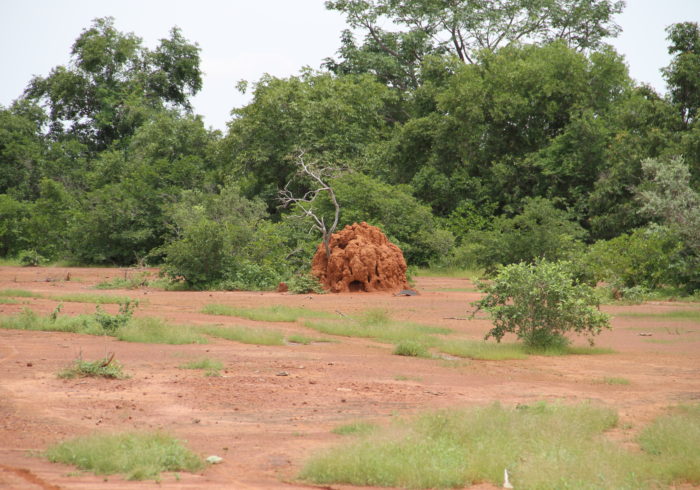
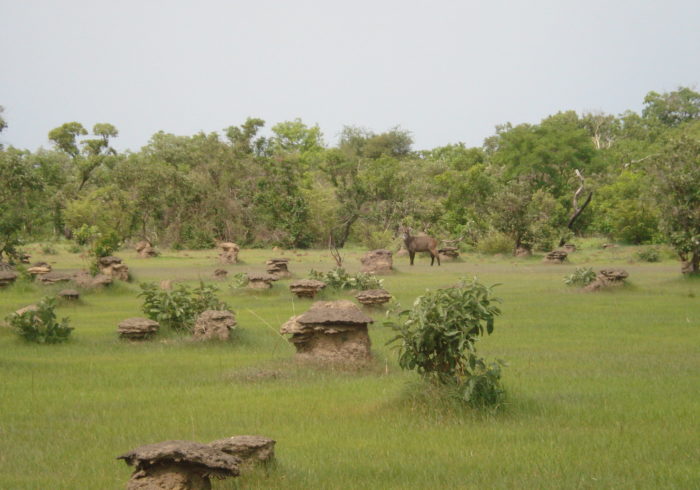
Chapter 9 synthesized the overall findings of this reseach project, and identified areas for further reseach and makes management recommendations. Bowalization is the result of ferricrete exposure due to non-adapted land use and soil surface erosion on ferruginous soil in unimodal rainfall regime condition. The important drivers of bowalization in the study were assessed based on soil, geomorphology, climate, and land use practices. However, other spatial indicators like soil parent rock could also be used. Bowé are also covered by a number of termitaria. Up to now, the type of termitaria on bowé and their role are not yet clearly established. Bowé showed significantly lower values of electrical conductivity, organic matterextractable phosphorus, silt and total nitrogen than woodland soils, while its potassium exchangeability was higher. Knowing the dependence of the physical and chemical characteristics of the soils developed on bowé and the different type of parent rocks would help to increase the understanding of the drivers of bowalization. The identification of the most important drivers of bowalization at regional scale would also help to combat bowalization.

Bowalization has induced loss of species and modified the morphological structure of C. nigricans. The vegetation characteristics on bowé are grassland and savanna with dominance of Afro-Tropical, Afro-Malgache, Pluri regional African and Pan Tropical chorological types and therophytes life forms. Some species are suitable for ecological restoration of bowé. They are Asparagus africanus, Andropogon pseudapricus and Combretum nigricans in the semiarid climate zone, and Asparagus africanus, Detarium microcarpum and Lannea microcarpa in the sub-humid climate zone. Additional plant functional traits (vegetative, leaf, stem and regenerative traits) would help to increase our understanding of the effect of bowalization on plant diversity. Moreover, the quantification of the impacts of bowalization on crops production is needed. Coping strategies were developed by some farmers to reduce the impact of bowalization. These strategies need to be tested in order to identify the best to be promoted. It will also be relevant to consider environmental indicators combined with an extensive soil and botanical datasets to spatially predict and analyze the distribution ranges of plant species and pattern of plant diversity in relation to the main drivers of bowalization at regional scale.

The markovian model used in this study showed that bowalization has persisted and increased during the period considered (1975, 1990 and 2010), while the natural vegetation (forest, woodland and tree savanna) has decreased.  The same trend would also pravail towards 2050 if we assume the dynamics recorded for the periods considered. However, the model is not spatial-explicit and assumes that transition probabilities are time homogenous. More detail spatial explicit model on land use land cover change may be used in future analysis to improve the understanding of the locations and pathways of land use land cover change dynamics which induce bowalization. In addition, this model has not taken into account the relation between the occurrence of bowé and surface erosion processes. Using the universal soil loss equation linked to GIS may improve the understanding of the relation between soil erosion and bowalization.  Bowalization was indirectly assessed in this study base on the land cover with farmland and degraded savanna where they are common. However all the farmland and degraded savanna are not covered by bowé thus it was not possible to quantify and predict the exact cover of bowé. The limit observed with the method considered for this study should be taken into account for other similar study. Future researchs are needed in order to increase the understanding of bowalization and its impacts.


  • Vue globale des 5 bâtiments du Laboratoire d’Ecologie Appliquée (LEA). (Photo credit: Dr Akomian Fortuné Azihou / LEA, Octobre 2018)

Ecology of isolated trees in tropical savannas: modelling of plant species distribution and colonization of new habitats through long-distance dispersal and facilitation

PhD Dissertation:

Akomian Fortuné AZIHOU (2013). Ecology of isolated trees in tropical savannas: modelling of plant species distribution and colonization of new habitats through long-distance dispersal and facilitation. University of Abomey-Calavi. Benin. 162 pages.

Promotor: Prof. Brice SINSIN.


Summary: Savannas occupy a fifth of the earth’s land surface and are one of the most sensitive ecosystems to future changes in land use and climate. In tropical Africa, most savannas are intermingled with gallery forests along waterways. A thorough understanding of factors that structure savanna communities is urgently required to guide management effort. The current research aims to (i) predict spatial isolation of tree species from the distribution of tree species along a gallery forest–savanna gradient; (ii) assess theefficiency of isolated gallery-forest trees established in savanna to facilitate the germination and growth of forest woody species beneath their canopies; (iii) analyse the relative importance of morphological traits, dispersal, microhabitat amelioration and biotic interactions in predicting the recruitment of forest species under the crown area of gallery-forest trees isolated in savanna; (iv) assess the importance of functional traits and regional species pool in predicting long-distance dispersal in savanna ecosystems; and (v) predict spatial isolation and colonisation process from spatial patterns of trees, saplings and seedlings in gregarious stands.

The introduction presents a general overview on savanna ecology with emphasis on theories of facilitation and long-distance dispersal in plant communities, and describes the objectives of the study and the organisation of the thesis. Chapter 1 describes the Biosphere Reserve of Pendjari, the study area of the five scientific investigations that form the main body of the dissertation.

In chapter 2, Thresholds Indicator Taxa Analysis (TITAN) was applied to identify abrupt changes in the distribution of tree species and detect the existence of isolated trees at gallery forest – savanna boundaries. The gallery forest-savanna gradient predicted floristic composition of plots with a correlation of 0.595 but its accuracy was locally modified by the occurrence of fire and the physical properties of soil that covered more than 30 % of the range of residuals. The distribution of gallery-forest and savanna tree species did not overlap. Along the gallery forest-savanna gradient, savanna species gradually increased in density while gallery-forest species showed a community threshold at 120 m from the river beyond the width of gallery forest. The forest species driving this trend should have isolated trees that play an important role in the dynamics of gallery forest-savanna boundaries.

Chapter 3 focused on the identification of gallery-forest trees isolated in savanna. It tested the nurse-plant effect and Janzen-Connell hypothesis beneath isolated trees and also examined the relationships between the crown area and the density of seedlings and saplings. Among the eight identified tree species isolated in savanna, only Daniellia oliveri and Khaya senegalensis showed nurse-plant effect and promoted a significant, yet low early recruitment with a seedling-to-sapling survival of 0.044 and 0.578, respectively. The suitability of the subcanopy of isolated trees decreased with the recruitment progression and Janzen-Connell effects were absent. Seedlings had neutral association with the crown area of isolated trees which shifted to positive at the sapling stage. The species of the isolated tree and the crown area explained less than 20 % of total variance, indicating that other predictive factors are important in explaining the nurse-plant effect observed in this study.

In chapter 4, various regression models were fitted to identify the best candidate for predicting positive plant-plant interactions between isolated trees and their protégés. The number of seedlings and saplings of gallery-forest tree species was recorded beneath 91 isolated trees. Predictor variables included:  diameter at breast height, total height and crown area of isolated trees, height of vegetation surrounding the isolated tree, distance between the isolated tree and the nearest river, height and basal area of termite mounds, C4 grass cover, and number of savanna trees, gallery-forest juveniles, savanna saplings and savanna seedlings under the isolated tree. Negative binomial regression was used for data analysis and model selection was based on Akaike-information-criterion. Abundance of savanna saplings, height of termite mounds and height of isolated tree were important explanatory variables for the abundance of gallery forest seedlings and saplings. Abundance of savanna seedlings and distance to the nearest river were important in predicting abundance of conspecific seedlings and heterospecific seedlings under isolated trees. Abundance of savanna saplings was also significant indicator of microhabitat amelioration. Abiotic and biotic mechanisms which allow early establishment (seedling) also favour persistence (sapling). Both conspecific and heterospecific seedlings and saplings showed similar responses to dispersal, microhabitat amelioration by termites and interaction effects with savanna woody species. Enhanced recruitment of saplings beneath isolated trees will therefore lead to remote forest communities. However, the previous modelling exercise does not give any information on the prediction of the floristic composition of seedling and sapling community beneath isolated trees.

Chapter 5 assesses the importance of functional traits and regional species pool in predicting long-distance dispersal (LDD) from gallery-forest towards isolated trees. It tests theories of coexistence in plant communities; particularly how the inference/dispersal trade-off could explain species assemblages in savanna ecosystems. The maximum height of species explained the highest proportion of variance in species colonization. Morphological dispersal syndromes by wind and birds had poor explanatory importance. Species rare in gallery forest had higher potential to colonize new environments through LDD while abundant species had higher persistence abilities. Contrary to the predictions of the seedling-size effect, small-seeded species dominated the sapling stage.  For both colonization and persistence, increasing dispersal distance is likely to reduce the probability that seeds will reach a suitable habitat beneath isolated trees. The findings reveal the strong dependence of LDD and subsequent colonization and persistence processes on species traits specialized for a variety of dispersal vectors.

Chapters 3 to 5 deals with dicotyledonous isolated trees identified from ecological thresholds in chapter 2. Chapter 6 focuses on Borassus aethiopum, the only one monocotyledon and dioecious species reported to have isolated trees in chapter 2. It investigates the spatial patterns of B. aethiopum and potential convergence between spatial processes in stands and spatial isolation of individual palm adults. We collected map data for palm individuals in three different life history stages, taking into account the sex of adults; other tree species and termite mounds in savanna have been also considered. Spatial analyses were based on the pair correlation function. Juveniles of B. aethiopum were scarce in stands, suggesting the existence of a recruitment bottleneck for the seedling-to-juvenile transition. Seedlings showed an aggregative distribution, while adults had a random pattern or a clumped distribution. All development stages were spatially independent from nutrient-rich patches and spatial segregation of the sex was absent. Seedlings showed spatial patterns independent from female adults; suggesting the prevalence of mammals-mediated dispersal which may explain the existence of isolated trees. Both sexes were equally represented among isolated trees; but seedlings mostly occur in the vicinity of isolated female palms. From these results, we propose a parsimonious scenario explaining spatial isolation of palm trees. Long-distance dispersal of seeds by elephants and baboons increase the probability that heavy seeds bridge long distance and establish adult palms far from stands. The demographic bottleneck at the juvenile stage explains the failure of isolated palms including females to reconstitute small stands around them. Further studies using molecular marker analysis and assignment tests are required to test if seedlings occurring around isolated male palms are a case of ‘rescue effect’.

The last section of this work discusses the major findings and their relevance to literature, implications for conservation and perspectives for future researches. Nurse plants and dispersal from regional species pool could be used to increase establishment of target plant and reduce time required for restoration. Applied nucleation is a promising restoration strategy that can accelerate forest recovery to a similar degree as plantation-style restoration but is more economical. Further researches must go beyond demonstration of the existence of facilitation by investigating evolutionary impacts of facilitation in African savannas. It requires integrating long-term data with spatial data as well as using new methods (molecular marker, stable isotopes, and fluorescent colours) to measure LDD and its implications for metapopulation and metacommunity theories.


  • Vue globale des 5 bâtiments du Laboratoire d’Ecologie Appliquée (LEA). (Photo credit: Dr Akomian Fortuné Azihou / LEA, Octobre 2018)